Building 4000, Westpark Innovation Campus
Unlocking the Potential of an Existing Commercial Asset

Unlocking the Potential of an Existing Commercial Asset

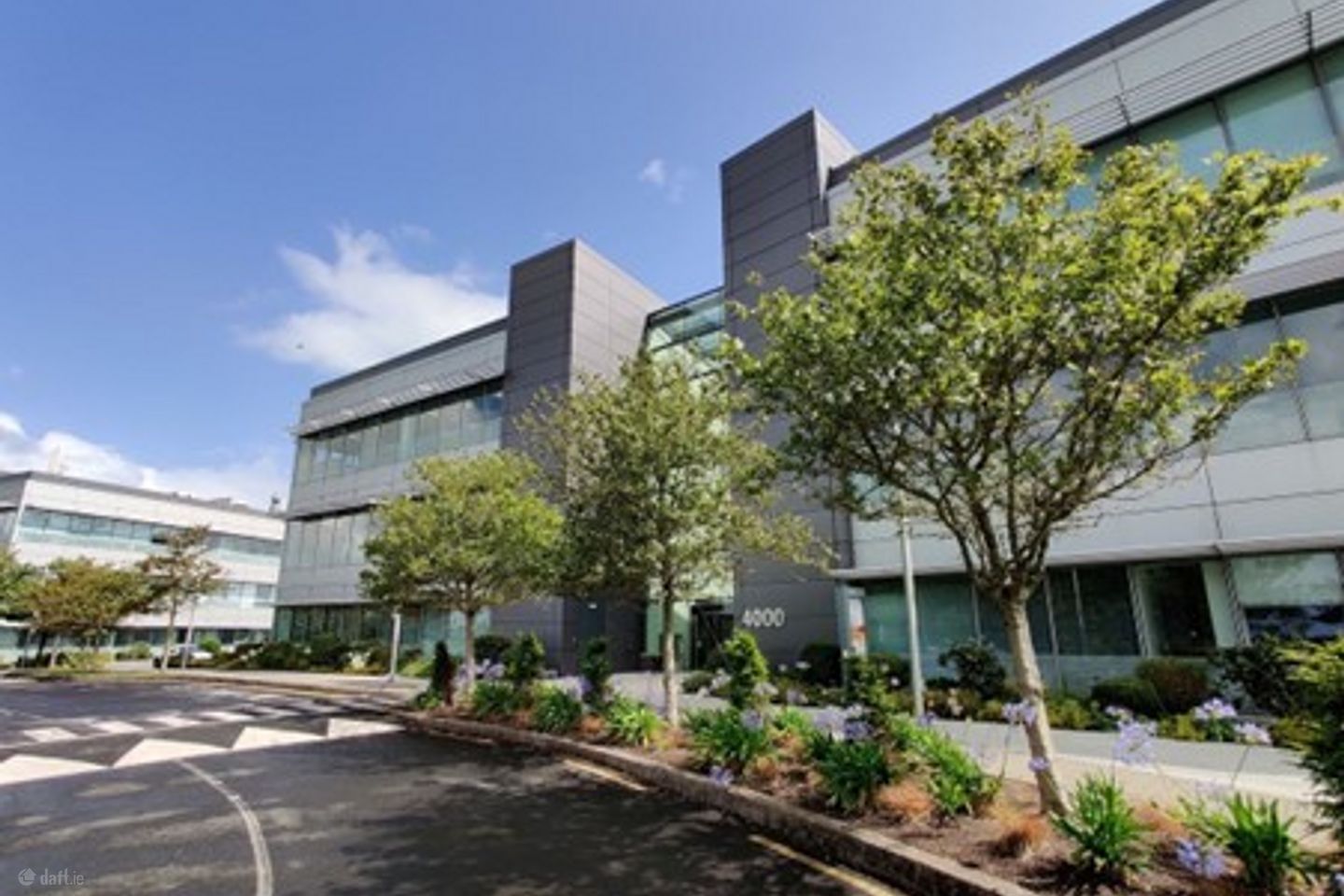
Building 4000 is a flagship commercial office building located within the Westpark Innovation Campus in Shannon. As part of the client’s long-term sustainability strategy, Lawler Sustainability was appointed to identify the most practical and commercially viable pathway to improve the building’s energy performance.
The objective was to upgrade the building from a C1 Building Energy Rating (BER) to a B3 BER, delivering measurable reductions in energy consumption, carbon emissions and operating costs while supporting future investment decisions.
The project began with a detailed review of the building’s existing BER assessment to establish a clear baseline of operational performance.
Using IES VE dynamic simulation software, our team developed a comprehensive energy model of the building, allowing multiple improvement scenarios to be analysed and compared.
A wide range of measures were assessed, including:
Each option was evaluated against energy savings, carbon reduction, lifecycle costs, return on investment and practical implementation considerations to ensure recommendations were both technically robust and commercially achievable.
The outcome was a comprehensive BER Pathway Report, providing the client with a clear roadmap for improving building performance.
The report quantified the projected energy savings, carbon reductions, implementation costs and anticipated payback periods for each recommended intervention, enabling informed investment decisions aligned with both operational and sustainability objectives.
Following completion of the study, the recommended upgrade measures were approved and successfully implemented during 2026, delivering measurable improvements in building performance while supporting the client’s long-term decarbonisation strategy.
Whether improving an individual commercial asset or supporting a wider property portfolio, Lawler Sustainability combines building performance analysis with practical decarbonisation strategies to deliver measurable improvements in energy efficiency, carbon reduction and long-term asset value.